Defensive Driving and Child Passenger Safety

Every time you buckle your child into the car, you are making a promise. A promise that you will get them where they are going safely. But here is the sobering truth. Motor vehicle crashes are one of the leading causes of death for children in the United States. That is not meant to scare you. It is meant to wake you up, because most of those crashes were preventable.
Defensive driving and child passenger safety go hand in hand. One keeps you alert and in control on the road. The other makes sure that if something does go wrong, your child has the best possible protection. Together, they are your strongest tools as a parent behind the wheel.
What Is Defensive Driving, and Why Does It Matter More When Kids Are in the Car?
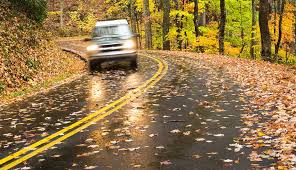
Defensive driving is a set of skills and habits that help you anticipate problems before they happen. Instead of just reacting to what is in front of you, a defensive driver is always scanning ahead, checking mirrors, and thinking one or two steps into the future. It is less about being a perfect driver and more about being a prepared one.
When you have a child in the backseat, the stakes go up. Your reaction time matters more. Your speed choices matter more. Even where you park matters more. Kids trust us completely when they climb into that car, and that trust deserves to be taken seriously.
Child Passenger Safety: The Basics That Too Many Parents Skip
Let’s be honest: most parents think they have the car seat thing figured out. But studies from Safe Kids Worldwide consistently show that about 46% of car seats are installed or used incorrectly. Nearly half. That number is a problem we can fix.
Child passenger safety follows a four-stage system based on your child’s age, height, and weight:
- Rear-facing car seat — For infants and toddlers, from birth until they reach the maximum height or weight limit of the seat (usually around age 2 or older).
- Forward-facing car seat with harness — Once a child outgrows the rear-facing seat, they move to a forward-facing seat, typically used until age 4 to 7.
- Belt-positioning booster seat — Used after the harness seat, until the vehicle’s seat belt fits the child properly, usually between ages 8 and 12.
- Seat belt alone — When the lap belt fits across the upper thighs and the shoulder belt crosses the chest and shoulder correctly, typically around age 12 or when the child is 4’9″ tall.
The single biggest mistake parents make is moving their child to the next stage too soon. Bigger does not always mean safer when it comes to car seats.
Defensive Driving Techniques You Should Be Using Right Now
Good driving habits can become second nature with practice. Here are some of the most important techniques for parents:
- Keep your distance. The 3-second following distance rule exists for a reason. Pick a fixed point on the road ahead, wait for the car in front to pass it, and count. If you pass that same point before you reach three seconds, you are too close. In rain or low visibility, make it five seconds. When your child drops a sippy cup in the backseat and your brain splits for half a second, that extra space can be the difference between a close call and a crash.
- Scan intersections before you go. A green light does not mean it is safe to move. Before you clear an intersection, take a quick left-right-left scan to check for red-light runners or distracted drivers. This habit alone prevents thousands of accidents each year.
- Watch your blind spots constantly. Larger SUVs, pickup trucks, and semi-trucks all have significant blind spots. When you are merging or changing lanes, mirrors are not enough. A quick shoulder check can save your life.
- Manage your speed in school zones. It seems obvious, but speed in residential and school zone areas is still a leading cause of child pedestrian fatalities. Slow down well before the zone, not at the sign.
- Do not engage with aggressive drivers. If someone is tailgating, cutting you off, or flashing their lights, the best move is always to get out of their way. Pull over, let them pass, and move on. Escalating a road rage situation with a child in the car is never worth it.
The Car Seat Mistakes You Might Not Know You Are Making
Even parents who feel confident about their car seats are often surprised by a professional inspection. Here is what inspectors commonly find:
The harness straps are too loose. A properly tightened harness should pass the “pinch test,” if you can pinch the webbing at your child’s shoulder into a horizontal fold, it is too loose. You should not be able to pinch it at all.
The chest clip is in the wrong place. It belongs at armpit level, not at the stomach or on the collarbone. This positioning is not just about comfort — it is about keeping the harness in the right place during a crash.
The seat itself is not secured tightly enough. NHTSA recommends that a properly installed car seat should move no more than one inch in any direction when you grab it at the belt path and tug firmly.
If you want a professional set of eyes, NHTSA offers a free car seat inspection program. You can find a certified inspection station near you at nhtsa.gov. These inspections are free, take about 30 minutes, and can genuinely save your child’s life.
Distractions, Hazards, and the Reality of Driving with Kids
Here is something no one talks about enough: children are a major source of driver distraction. A study from Monash University found that parents are distracted by their children for an average of 3 minutes and 22 seconds on a 16-minute trip. That is more than 20% of the drive spent with divided attention.
This does not mean kids are the problem. It means parents need a strategy. Set up entertainment or snacks before you start the car, not while you are moving. Pull over safely if a child needs immediate attention. Teach older children that talking to you while you are driving should wait unless it is urgent.
Beyond in-car distractions, parking lots are genuinely underestimated danger zones. Low-speed does not mean low-risk. Backup accidents involving children happen in parking lots more than almost anywhere else. Always walk around your vehicle before getting in, and use your backup camera as a supplement to actually turning around and looking, not as a replacement.
Should You Take a Defensive Driving Course?
Short answer: yes, and you should seriously consider it.
A certified defensive driving course does more than review traffic laws. It teaches you how to control your vehicle in emergencies, how to read road conditions, and how to make better split-second decisions. Many insurance companies offer discounts of 5 to 15% for completing an approved course. Over the lifetime of a policy, that adds up quickly.
At Ultimate Defensive Driving, we offer both private and commercial driver training designed to meet you where you are. Whether you are a parent wanting to sharpen your everyday driving habits, or a professional driver needing certified commercial training, we have a program for you. Our instructors are trained to teach the kind of real-world skills that textbooks alone cannot cover. If you are serious about keeping your family and the people around you safe, investing in proper training is one of the smartest things you can do.
Driving in Tough Conditions with a Child Onboard
Rain, snow, night driving, heavy fog, these conditions demand more from every driver, and even more when a child is along for the ride.
In rain, your stopping distance can double. Slow down, increase your following distance, and avoid using cruise control. Hydroplaning happens faster than most drivers expect, especially on highways. If you feel the tires lose grip, ease off the gas smoothly and steer straight or gently into your lane.
At night, visibility drops dramatically while fatigue can quietly creep up. Keep your windshield clean inside and out, because interior smudges scatter headlight glare in ways that significantly reduce your sight lines. If you are tired, stop. No destination is worth the risk.
Before winter trips, keep a basic emergency kit in your vehicle: a blanket, a small first aid kit, a flashlight, and a phone charger. These things weigh almost nothing and matter enormously if you get stuck.
Teen Drivers and Young Passengers: A Special Conversation
If your teenager is driving and carries younger siblings or other children as passengers, this section is especially important. Research from the AAA Foundation shows that the crash risk of teen drivers increases significantly with each additional young passenger in the vehicle.
Most states address this through Graduated Driver Licensing (GDL) laws, which restrict the number of passengers a new driver can carry during the early stages of licensure. These laws exist because the data is clear: the combination of inexperience and social distraction is genuinely dangerous.
Talk to your teen driver about what defensive driving means and why it matters. Make the rules clear before they ever take the wheel with younger passengers. And if your teen has not taken a formal driver education course, enrollment with a qualified school like Ultimate Defensive Driving gives them structured, professional instruction that goes well beyond what most parents can teach on their own.
FAQ: Defensive Driving and Child Passenger Safety
- At what age can a child sit in the front seat? Most safety experts recommend keeping children in the back seat until at least age 13. Airbags are designed for adult bodies and can cause serious injury to smaller children, especially those who are still in booster seats.
- How do I know if my car seat has expired? Car seats have an expiration date printed on a label on the seat itself, usually on the bottom or side. Most seats expire 6 to 10 years from the date of manufacture. After that, the materials may have degraded in ways you cannot see.
- Can I use a secondhand car seat? Only if you know its full history. A car seat that has been in any crash, even a minor one, should not be used again. If you cannot verify the history, it is not worth the risk.
- What should I do if my child unbuckles during a drive? Pull over safely and re-buckle them before continuing. Do not try to reach back and fix it while moving. No matter how brief it feels, it only takes a second for something to go wrong.
- Is a defensive driving course worth it just for the insurance discount? Even if there were no discount, the answer would still be yes. The skills you gain could keep you and your family out of an accident that no amount of insurance money could fully undo.
Summary: Defensive Driving and Child Passenger Safety
Keeping your child safe in the car is not about being a perfect driver. It is about being a consistent one. It means checking the car seat every single time. It means putting the phone away before you back out of the driveway. It means slowing down when the weather gets bad, even when you are running late.
At Ultimate Defensive Driving, our mission is to make every driver better, safer, and more confident on the road. We train private drivers and commercial drivers, new drivers and experienced ones. Because the road does not care how long you have been driving. It only responds to what you do in the moment.
Take the course. Check the car seat. Stay alert. Your kids are counting on you.
Learn more about private and commercial driver training programs at Ultimate Defensive Driving and take the first step toward safer driving today.

You may also like
-

Teen Driving
7 November, 2024 -
High Crashes Involving Deer
11 October, 2024